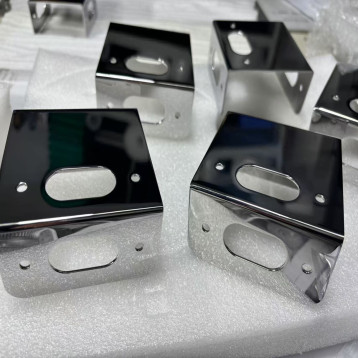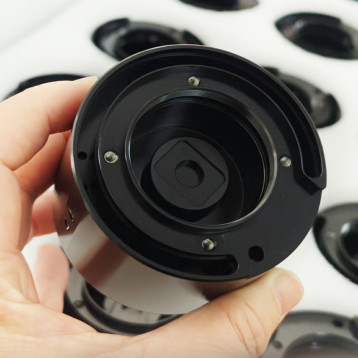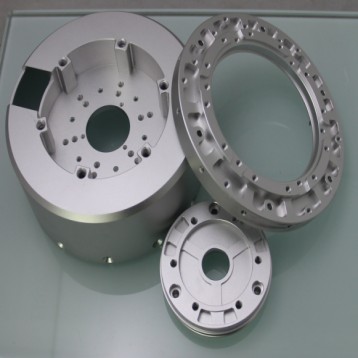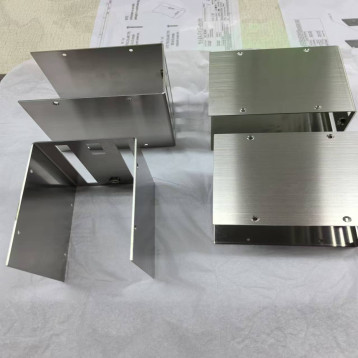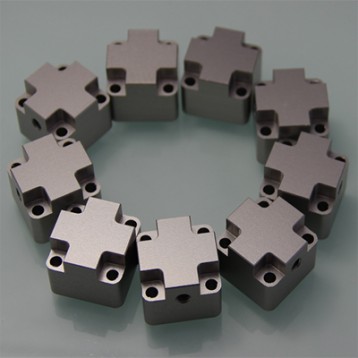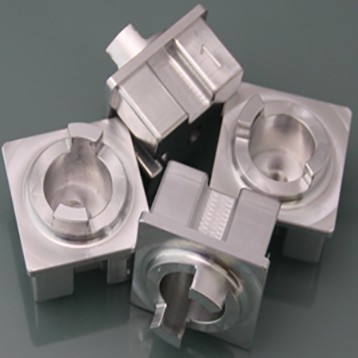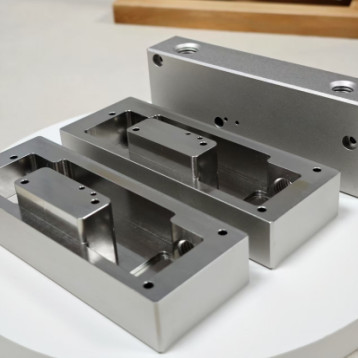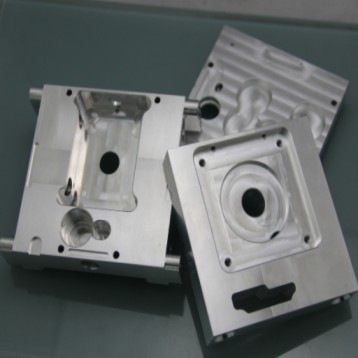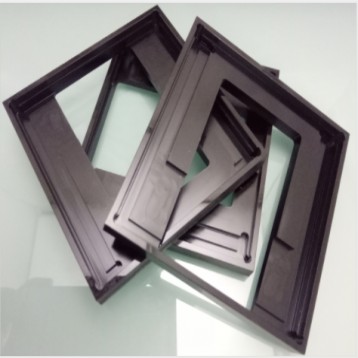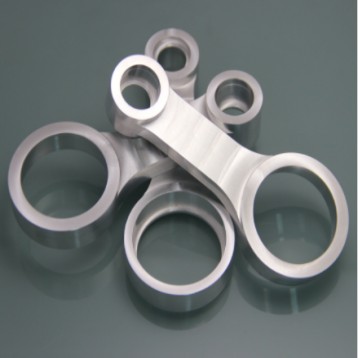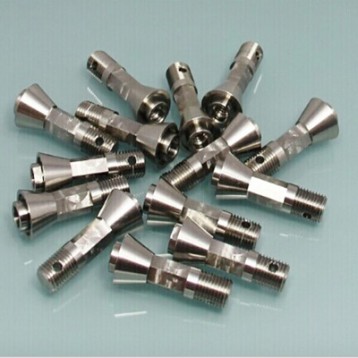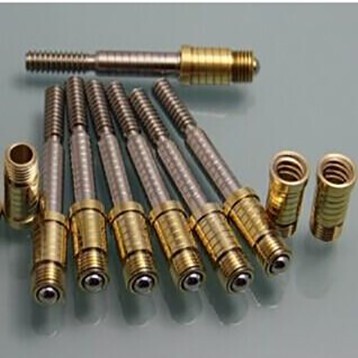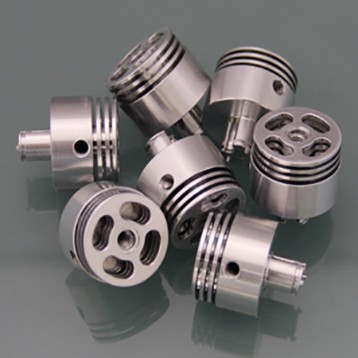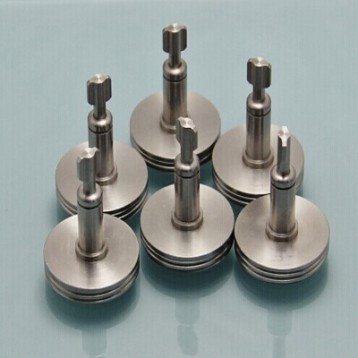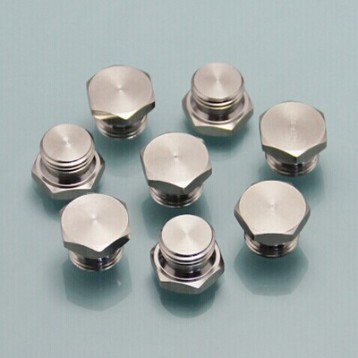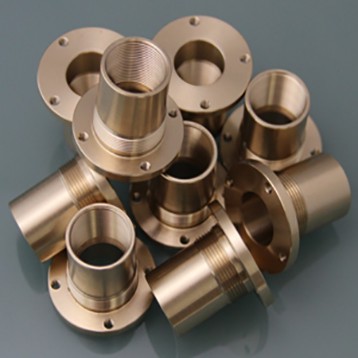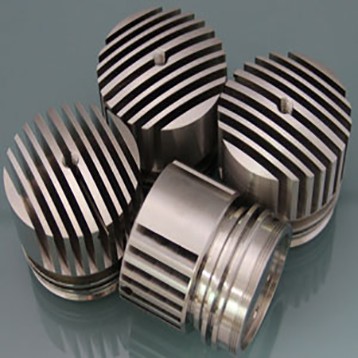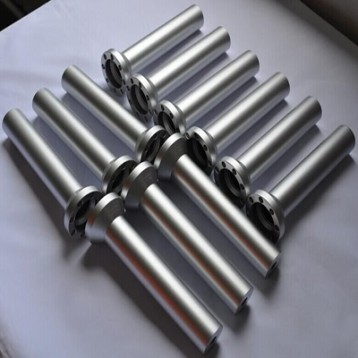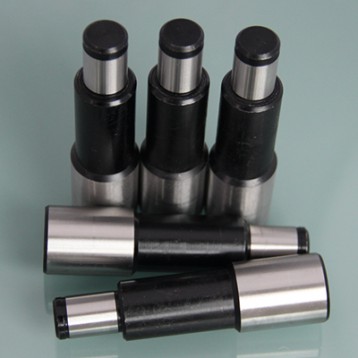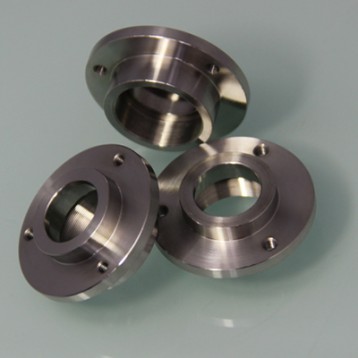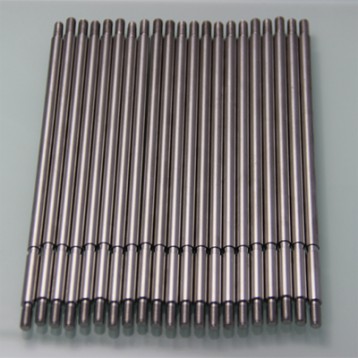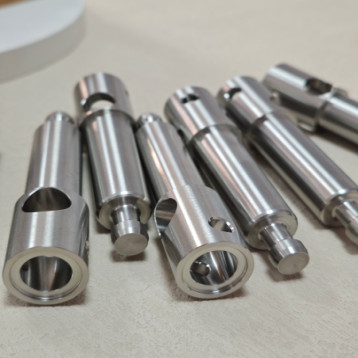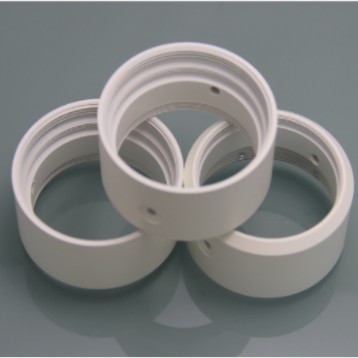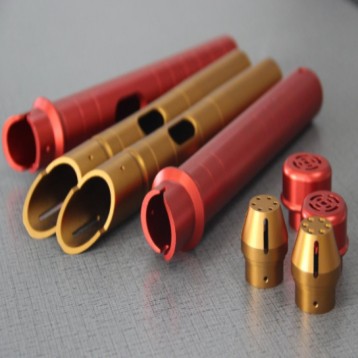
The world's leading manufacturer of precision hardware products
Has decades of rich experience and advanced equipment
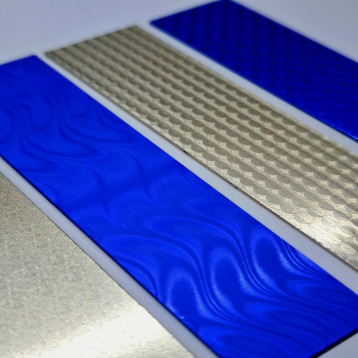
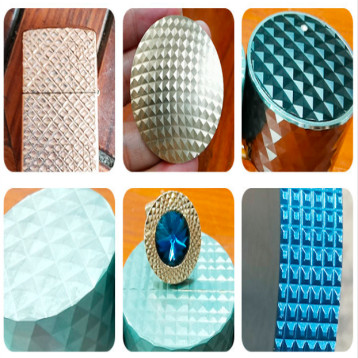
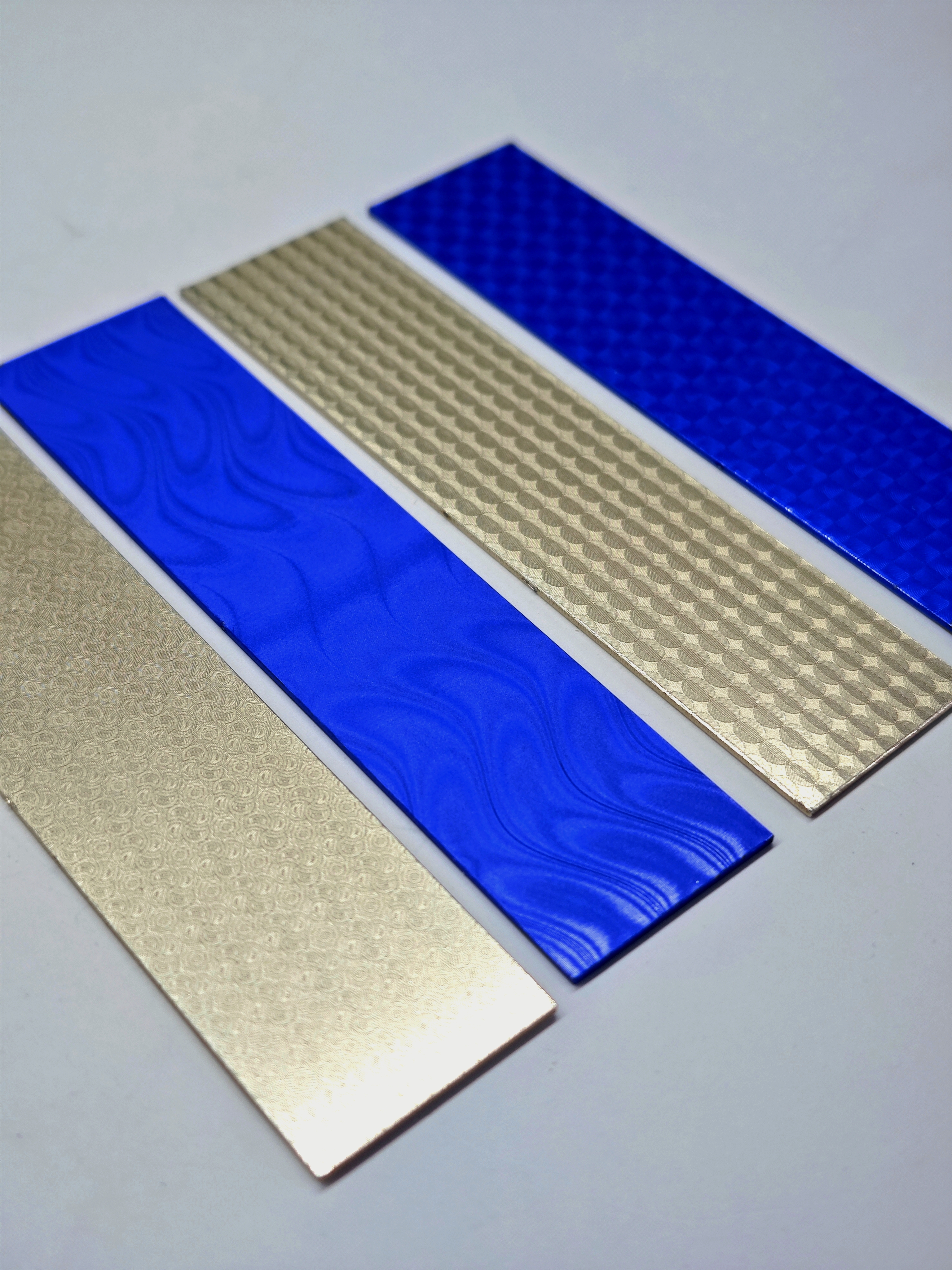
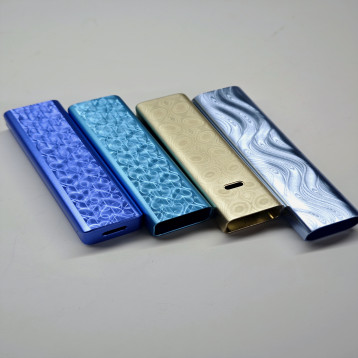
Aesthetic laser patterning transcends functional marking—it's about creating emotional resonance, tactile experiences, and brand storytelling through controlled light interaction with metal surfaces. Unlike standard marking, aesthetic patterns prioritize visual harmony, texture, and emotional impact over mere data transfer.
The Designer's Toolkit: Parameters for Aesthetic Control
The Aesthetic Trinity:
1. Contrast - Not just black/white, but tonal range
? Achieved through: Power modulation, pulse overlapping, grayscale mapping
2. Texture - Both visual and tactile
? Achieved through: Hatch strategies, frequency modulation, focus manipulation
3. Rhythm - Pattern flow and repetition
. Achieved through: Vector pathing, variable spacing algorithms, intentional imperfections
Color capability: Full spectrum via controlled oxidation
Best for: Gradient fields, jewelry, architectural features
Pro tip: Pre-polish to mirror finish for maximum color saturation
With anodizing: Laser removes color layer, revealing silver substrate
Bare: Can create permanent white marks (foaming) or dark engraving
Best for: Tech products, consumer electronics, nameplates
Annealing marks: Black, blue, gold, straw colors
Deep engraving: For dramatic shadow lines
Best for: Watches, medical devices, luxury appliances
Natural aging: Laser patterns age differently than base metal
Warm tones: Creates immediate heritage aesthetic
Best for: Decor items, musical instruments, boutique hardware
Laptop Lid: Parametric mesh fading to solid at edges
Smartphone Accent: 0.5mm wide border with micro-guilloché
Audio Equipment: Speaker grilles with acoustic-transparent moire patterns
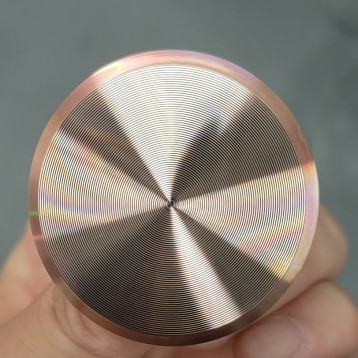
Watch Dials: Sunburst patterns emanating from center
Wedding Bands: Interior engraving of topographic maps of meaningful locations
Cufflinks: Corporate logos rendered in microscopic crystal matrix pattern
Elevator Doors: Large-scale zen garden patterns
Feature Walls: 1m² titanium panels with landscape-inspired color fields
Handrails: Functional grip patterns that transition to decorative elements
Gear Shifters: Leather-like texture on aluminum
Dashboard Inserts: Carbon fiber illusion on metal
Limited Edition Badging: Holographic micro-dots for exclusivity
Mood & Emotion → What should the piece feel like?
Material Selection → Which metal supports the emotional goal?
Pattern Archetype → Which pattern family communicates the message?
Parameter Sculpting → Technical translation of artistic intent
Prototype & Iterate → Test on actual material batches
Production Refinement → Balance aesthetics with manufacturability
Dynamic Patterns: Surfaces that change appearance with temperature or viewing angle
Multi-Material Composites: Laser patterns that transition across material boundaries
Bio-responsive Designs: Patterns that interact with light in specific environments
AI-generated Uniques: Each product with algorithmically unique but thematically consistent patterns
Less is Often More: A 30% pattern coverage can be more powerful than 90%
Finish Hierarchy: Combine polished, matte, and textured zones intentionally
Edge Treatment: How patterns terminate is as important as the pattern itself
Light is Your Collaborator: Design for the lighting environment of use
Tactile-Temporal Dimension: How will the pattern age and patina over time?
"Aesthetic laser patterning is where metallurgy meets poetry. The laser doesn't just mark the surface—it tells a story in light and shadow, one that changes with the day's angle and the viewer's perspective. In an age of digital uniformity, these physical, light-born textures create objects that feel authentically, uniquely present."


.jpg)