The world's leading manufacturer of precision hardware products
Has decades of rich experience and advanced equipment
2026-07-15 01:46:07
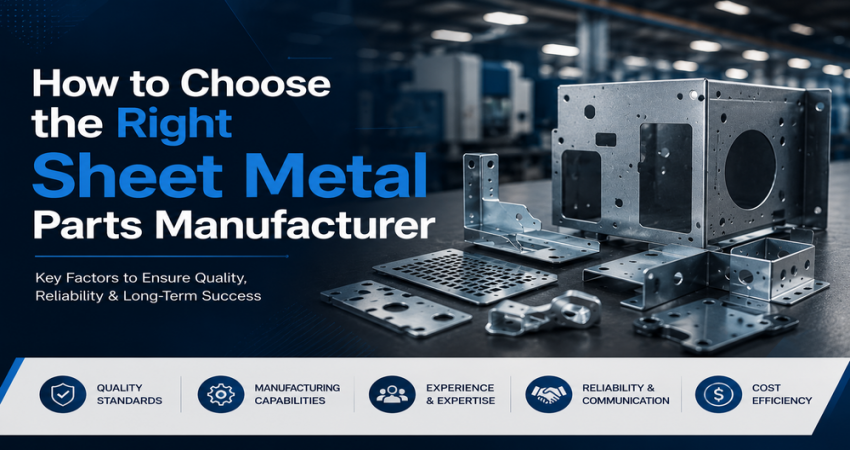
Choosing the right sheet metal parts manufacturer is, honestly, one of the most important decisions you’ll make for any industrial or engineering project. And if you grab the wrong partner, it can cause missed deadlines, inconsistent tolerances, and yeah rising costs. But when it’s the right manufacturer, it kind of turns into an actual extension of your production line, like it is working with you not just selling to you. Whether you need enclosures, brackets, chassis components, or precision-machined parts such as Aluminum Turning and Milling Parts, the choice you make affects your product quality, lead times, and that real cost pressure you feel every month. This guide goes through the main things to check, so you can land on a decision that feels confident.
Before you ask for even a single quote, slow down a bit and get clear on what the project needs, not what you want on paper.
Once you know what you need, make a shortlist. This part is where the real work happens, and being careful here saves time, stress, and headaches later.
A manufacturer that can do more than basic flat sheet metal parts can actually simplify your supply chain in a surprising way. A lot of builds need extra machined components along with fabricated sheet metal assemblies. For example, if your design includes rotating or load-bearing elements, look for a partner that also provides Stainless Steel Turned Shafts as part of their capability set. Consolidating sheet metal and precision machining under one roof reduces coordination overhead, shortens lead times, and often improves compatibility too, because everything is engineered against the same tolerances and quality standards. When requesting quotes, send drawings, material specifications, tolerances, and the expected production volumes. The more detailed you are, the more accurate and comparable the quotes become. And don’t just chase the cheapest number. Compare quotes using total value: material quality, lead-time reliability, minimum order quantities, tooling costs, and after-sales support. A slightly higher unit price from a manufacturer with strong quality control can still end up costing less overall once you add up rejected parts, delays, and extra work you’d otherwise have to absorb.
Good communication keeps surprises away. Confirm details like:
When expectations are clear from day one , you build the base for a longer-term working relationship, not only a one-off transaction.
Choosing the right partner among all those sheet metal fabrication companies right now, usually comes down to matching your own technical needs with what the supplier can really pull off, and then layering in their certifications, plus how they communicate across the whole timeline. I’d lean toward shops with broad in-house capability, a quality rhythm that looks repeatable, and delivery performance that you can actually count on, in real life not only those polished marketing posts, and not just “trust us” vibes. If you’re hunting a supplier for the next job, pshardware.com gives you this balanced setup of precise sheet metal fabrication together with matching machining services. So, yeah, it’s pretty much the kind of option that deserves to stay on your shortlist, even while you’re still chasing quotes.
1. What is the typical lead time for custom sheet metal parts?
Lead times swing with part complexity, but most suppliers can send prototypes out in about 1-2 weeks, and production around 3-6 weeks. It mostly depends on order size and the finishing steps you need, so it’s worth thinking about that early, and not after everything is already in motion.
2. Which material is best for outdoor or corrosive environments?
Stainless steel and aluminum are the usual go-to picks, especially when you pair them with the correct coatings. They tend to resist rust and weather wear better than a bunch of common alternatives, so the surface keeps its composure longer instead of degrading quickly.
3. Do sheet metal manufacturers also offer machining services?
Many do. A full-service shop will often blend sheet metal fabrication with CNC machining, so you can handle Aluminum Turning and Milling Parts, and also Stainless Steel Turned Shafts, without having to coordinate multiple vendors for every step, which is honestly where delays start breeding.
4. How do I know if a manufacturer's quality system is reliable?
Look for ISO 9001 at minimum, and then confirm it’s not just a certificate on a wall. You want real documentation and inspection routines, such as first-article inspection plus in-process checks during production, not just a final inspection at the very end and then everyone calls it “done”.
5. Is it worth sourcing sheet metal parts internationally?
Sometimes yes, especially if that region has strong engineering standards and tight process control. A lot of buyers work with Metal Sheet Part Manufacturers in Germany for precision work, as long as the exporter has dependable shipping, solid compliance habits, and quick responses when questions show up.
6. What information should I include when requesting a quote?
Send detailed technical drawings, clear material requirements, tolerances, target finishes, and the production quantity you’re planning. The more specific you are, the easier it is to compare quotes cleanly, without later surprises, like unexpected revisions or “that isn’t included” moments that quietly wreck schedules.
7. How can I reduce the risk of production delays?
Pick a manufacturer with real capacity, open direct communication, and a history of on-time delivery. Then don’t just disappear, stay involved with milestone check-ins, so potential problems surface early, before they turn into full schedule trouble.
8. Should I choose a manufacturer based on price alone?
Usually no. You should balance quality control, reliability, and communication, plus the total cost of ownership over time. A lower quote can turn into higher spending later through rework, extra expediting, or delays that ripple into your whole downstream timeline.
Date : 30 Jun 2026

Date : 25 Jun 2026
Date : 22 Jun 2026
Date : 18 Jun 2026
Date : 11 Jun 2026
Date : 29 May 2026