The world's leading manufacturer of precision hardware products
Has decades of rich experience and advanced equipment

2026-06-25 04:50:08
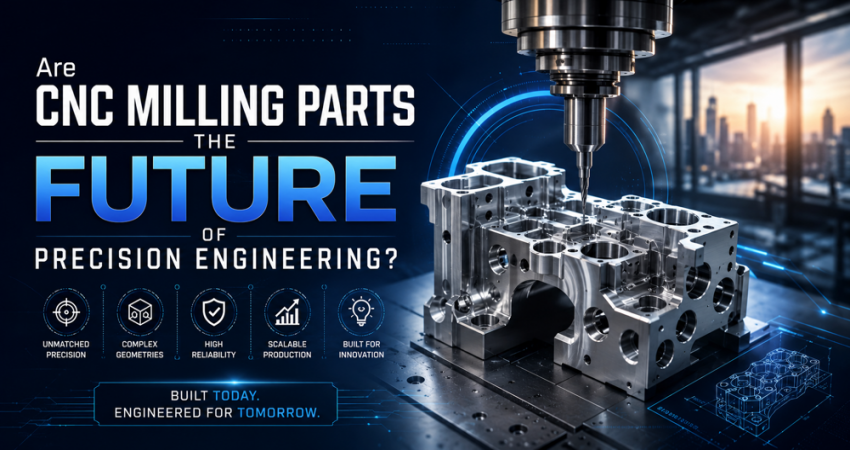
Precision manufacturing has sped up over the last few decades, and CNC milling has become one of those big machining moves that keeps pushing that whole change along. From complex aerospace parts to custom automotive pieces, plus all kinds of industrial gear stuff, CNC milling gives you this dependable mix of accuracy, repeatability and speed. Compared with older methods, CNC ( Computer Numerical Control ) milling relies on programmed software to steer the cutting tool, so each part basically shows up the way the CAD specs say it should, more or less. If you’re running a business and you want to buy CNC milling & machining Housing online, it really pays to partner with a machining company that has real experience. That way you get steady quality, precise tolerances, and timelines you can actually plan around, without surprise chaos. In this informal walkthrough, we will cover how CNC milling works, lay out the whole manufacturing flow, explain why it’s useful, and also point out which industries usually rely on this kind of machining approach.
CNC milling is a subtractive manufacturing method, which means rotating cutting tools remove material from a solid workpiece until the final geometry comes through. The machine follows digital instructions from CAD and CAM software, so parts can be made with strong precision and consistent repeatability. With manual milling, motion can drift depending on the operator, but CNC milling wipes out a lot of that human variance. It can handle everything from one-off prototypes to bigger production runs, while keeping the quality pretty steady. And since it’s flexible, people commonly use the process to make CNC Milling Parts from aluminum, stainless steel, brass, copper, titanium, engineering plastics, and even composites.
Even though CNC milling uses serious machinery, the workflow isn’t really that mysterious, it’s more like step after step, kind of connected.
Different jobs often need different milling approaches, so the machine type can matter more than many people assume.
Advantages of CNC Milling
Honestly, the flexibility of CNC milling is a must for, like, a bunch of different industries, and yeah it’s pretty essential if you need parts that stay consistent over time.
So if your project calls for lightweight aluminum parts with excellent dimensional accuracy , you can buy CNC aluminum machined & milled online from a reliable machining supplier that can manage strict industrial specifications.
A lot of international companies work with CNC Milling Suppliers in China, mainly because they combine newer manufacturing know-how with lower production costs. Skilled CNC Milling Manufacturers in China put time and resources into advanced machining centers, engineers who actually know the process, quality inspection systems, and automated production lines. This whole setup helps them deliver dependable components to customers across multiple industries while keeping international quality standards in place. Also, picking the right manufacturing partner matters way more than chasing the lowest price only. Engineering support, production capacity, day to day communication, inspection methods, and delivery reliability all end up shaping the long-term results.
When you’re reviewing a machining supplier, pay attention to things like:
A decent supplier doesn’t just send Best CNC Machining Parts and call it done. They should work with you too, improve manufacturability, reduce cost, and keep quality steady across the entire production run.
CNC milling has become a core manufacturing method for making accurate, strong, high-quality components across a ton of industries. Being able to machine complicated shapes with solid repeatability makes it great for prototype development, and also for mass production. Whether you’re searching for dependable machining services, precision CNC Milling Parts, or reliable manufacturing support, choosing a solid supplier really shifts the outcome. If you want to Buy Metal stamping parts 3 online, pshardware.com offers precision manufacturing options supported by advanced machining capabilities, strict quality standards, and dependable customer help.
1. What is CNC milling used for?
CNC milling is used to produce precision components for automotive, aerospace, medical, electronics, industrial machinery, and robotics.
2. What materials can be machined using CNC milling?
Typical choices include aluminum, stainless steel, brass, copper, titanium, engineering plastics, and different composite materials.
3. How accurate is CNC milling?
Modern CNC milling machines can reach very tight tolerances, so it fits high-precision engineering work.
4. What is the difference between CNC milling and CNC turning?
In CNC milling, the cutting tool spins while the workpiece stays in place. In CNC turning, the workpiece rotates while the cutting tool removes material.
5. Why do companies choose CNC Milling Manufacturers in China?
Many companies in China bring advanced production facilities, experienced engineering teams, competitive pricing, and dependable global delivery.
6. How do I choose the right CNC machining supplier?
Look at manufacturing experience, equipment quality, inspection strength, certifications, communication style, and delivery performance.
7. Can CNC milling produce custom parts?
Yes. CNC milling is excellent for custom components, prototypes, and production parts based on customer drawings and specific requirements.
8. Is CNC milling suitable for large-scale production?
Definitely. CNC milling is used for both low-volume custom tasks and high-volume manufacturing, because it delivers consistent quality and repeatable results.
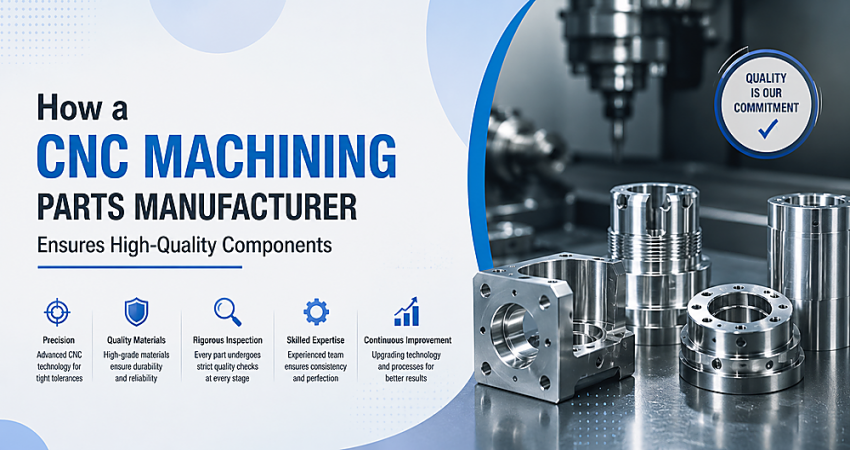
Date : 30 Jun 2026
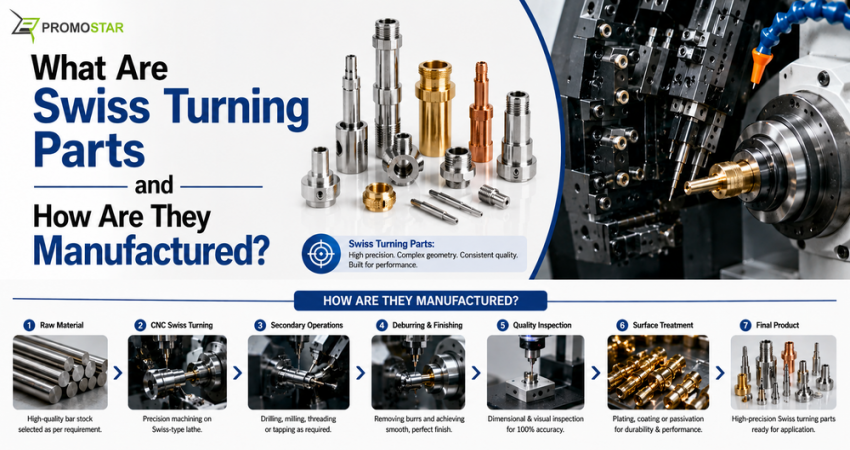
Date : 22 Jun 2026
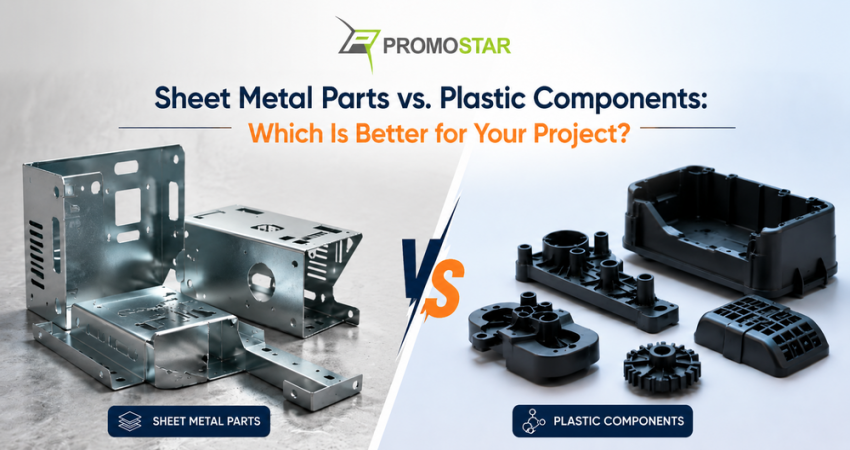
Date : 18 Jun 2026
Date : 11 Jun 2026
Date : 29 May 2026
Date : 25 May 2026