
The world's leading manufacturer of precision hardware products
Has decades of rich experience and advanced equipment
2026-06-18 01:42:02
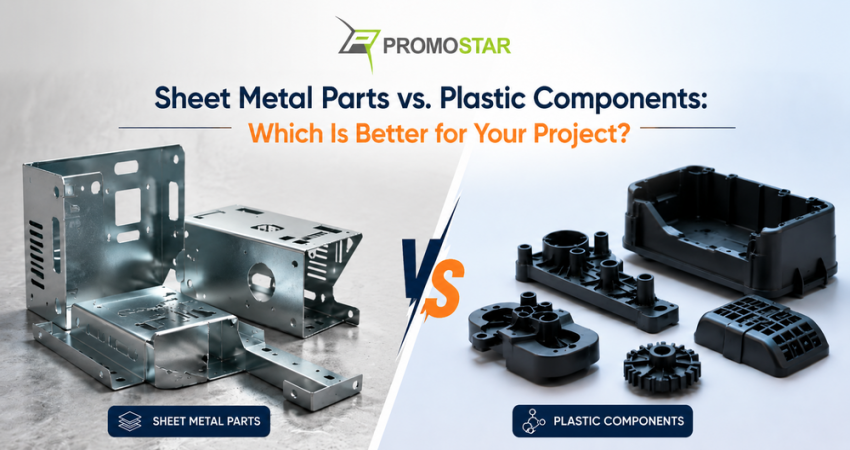
Choosing the right material feels like one of those decisions that can really make or break a manufacturing or product development project, and yeah, it matters a lot. The materials you pick end up shaping durability, overall performance, production costs, and the longer-term reliability of the whole thing. In today’s manufacturing world, sheet metal and plastic are probably the two big go-to options. They both come with their own benefits, but the “best” choice really depends on what your project actually needs. A lot of manufacturers now lean toward Buy Sheet Metal Parts online, mostly because metal tends to bring strength, durability, and that versatility people want across many different industries. At the same time, buying Aluminium Stamping parts online is also super common for situations where you need something that stays strong but doesn’t weigh you down too much. If a business can understand how sheet metal parts compare with plastic components, then it usually becomes easier to make solid decisions and land better outcomes.
Sheet metal parts for sale get made from materials like stainless steel, aluminum, copper, or other metal alloys. These parts are typically shaped with processes such as stamping, bending, cutting, and welding. The end result is usually a kind of component that’s tough, and built to last. Plastic components, on the other hand, are often made via injection molding, thermoforming, or extrusion. Plastics are often chosen for lightweight behaviour and a kind of design freedom that’s hard to match.
Both categories show up in industries like
So the final decision often depends on strength needs, how rough the environment will be, what the budget looks like, and your production volume.
One standout advantage of sheet metal parts is their stronger overall resilience. Metal components are able to handle heavy loads, impacts, and harsh conditions without so quickly losing their structural integrity.
Sheet metal parts are commonly picked for
Also, metal components usually keep performing even when temperatures get extreme and the working conditions are demanding. If a project is aiming for maximum durability and long-term reliability, many companies simply choose to Order Sheet Metal Parts online, because the track record in rough environments tends to be proven.
Even if sheet metal is hard to beat in strength, plastic components can win on weight. Plastics are generally much lighter than metals, so they’re great when the priority is trimming down overall mass.
Lightweight materials can help with:
Also plastic can support complex shapes, detailed designs, and those intricate forms that might be hard, or more expensive, to achieve with metal work. So for projects that want a balance between low weight and reliable durability, products such as Buy Stainless steel sheet metal part online are often chosen, because that blend of strength and performance feels practical.
The environment you expect the part to face can guide the material choice pretty directly.
Sheet metal components usually offer strong resistance to
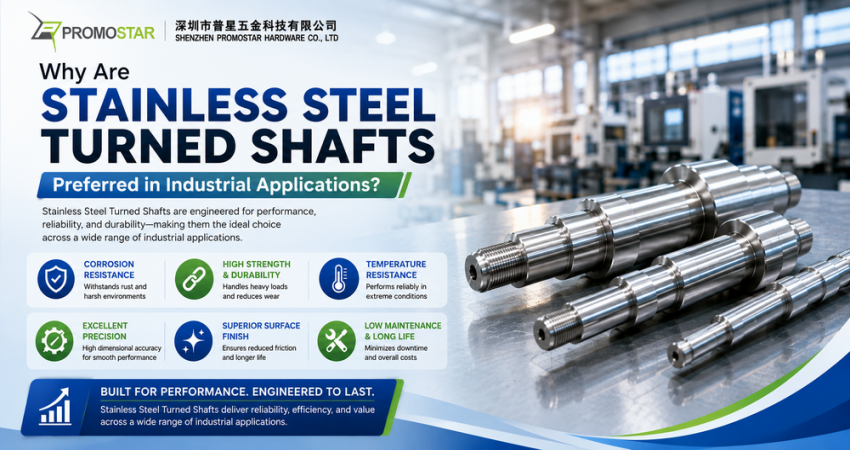
Materials like stainless steel are also well known for corrosion resistance, which supports a longer service life. Plastic components can work well in some environments, but over time they might degrade if they’re in sunlight, exposed to chemicals, or hit extreme temperature swings. And in the middle of many industrial use cases, manufacturers sometimes also source products like Buy Stainless steel turning parts online to support sheet metal assemblies and make the whole system more dependable.
In the end, picking sheet metal over plastic depends on what the industry actually needs, not just what seems easiest.
So, yeah, the versatility of sheet metal makes it a strong fit for many industries that want long-lasting performance, even when conditions aren’t exactly friendly.
There really isn’t a single universal answer , because every project kind of has its own set of needs. What you pick usually comes down to things like strength requirements, weight considerations, how much it will be exposed to the environment, production volume, budget limitations, and product lifespan. If your build needs high durability, solid structural strength and long-term dependability, then sheet metal is often the superior path. On the other hand, if lightweight layout and more intricate geometries are the main targets, plastic may be the more practical choice. Quite a few manufacturers also mix metal and plastic parts within one product, so they can get higher performance while still keeping expenses under control. Supporting products, such as Buy Metal stamping parts 3 online, are frequently paired with fabricated sheet metal components to form full industrial assemblies, which tend to deliver strong performance and reliability.
In the end both sheet metal parts and plastic components have useful advantages, but the correct pick depends on what your project actually needs. Sheet metal tends to bring exceptional strength, long lasting durability, strong environmental resistance, and long-term reliability, which makes it a great match for demanding industrial use. When it comes to making things, the technology used is getting better and better. So a lot of companies are now thinking carefully about what materials to use. They are looking at how the material works, how much it costs and how long it will last. They do not just pick the thing they can find. For people who need parts that are made precisely and, for companies that need solutions that they can depend on pshardware.com has a lot of different products. These products are meant to help with the needs of manufacturing and engineering projects.
1. What are sheet metal parts usually used for?
Sheet metal parts are really often used in automotive, aerospace, industrial machinery, electronics, and construction, basically in a lot of areas where things need to stand up.
2. Are sheet metal parts stronger than plastic components?
Yes, sheet metal typically offers more strength, durability, and a higher load bearing potential than plastic does, so in many cases it wins.
3. When should I choose plastic instead of sheet metal?
Plastic can be the better path when weight matters for the design, when the shapes need to be more intricate, and when high volume production is what you’re aiming for.
4. Is stainless steel suitable for sheet metal fabrication?
Yes, stainless steel is among the most popular choices because of its strength AND its corrosion resistance, which helps a lot in day-to-day use.
5. Are sheet metal parts more expensive than plastic parts?
It depends, mostly on production volume and the tooling costs. Sheet metal can be more budget-friendly for custom work, and low volume projects too, which is kind of surprising.
6. Can sheet metal parts handle harsh environments?
Yes, especially when you manufacture them from corrosion resistant materials like stainless steel, and then they last longer.
7. Do manufacturers use both plastic and metal in the same product?
Absolutely, many products mix metal with plastic parts, to balance performance, weight, and cost without making everything too heavy.
8. How do I choose the right material for my project?
Think about strength needs, environmental conditions, how many units you’ll make, budget limits, and the expected service life of the finished product
Date : 30 Jun 2026

Date : 25 Jun 2026
Date : 22 Jun 2026
Date : 11 Jun 2026
Date : 29 May 2026
Date : 25 May 2026